
Is your Warehouse Layout Up to Date? Receive an Updated Layout in 2 Weeks.
Blog
December 2, 2025
Navigating Geopolitics & Trade Wars’ Impact on Your Business

In today’s volatile landscape, businesses are increasingly exposed to forces far outside their control—shifting trade policies, sudden tariffs, export restrictions, and geopolitical tensions that redefine where and how goods move. As our panelists emphasized, these pressures don’t just influence sourcing decisions; they reshape entire operating models. Organizations that once optimized for cost alone now must account for resilience, optionality, and geopolitical visibility. Understanding the patterns behind today’s disruptions is critical for building a supply chain that can withstand tomorrow’s shocks.
5 Pressures Reshaping Global Supply Chains:
- Tariff & Policy Volatility: Frequent shifts in trade rules force companies to reevaluate sourcing models and cost structures with little warning, making flexibility a competitive advantage.
- Overreliance on Single Countries or Corridors: Concentration risk—especially in China-centric supply chains—exposes businesses to sudden shutdowns, political tensions, and logistical bottlenecks.
- Longer, More Fragile Lead Times: Extended global networks amplify disruption, driving companies to diversify suppliers, nearshore production, or build inventory buffers.
- Rising Compliance & Regulatory Complexity: Export controls, sanctions, and sector-specific restrictions are adding friction and cost to international operations.
- Shifts in Manufacturing Geography: Countries like Mexico, Vietnam, and India are becoming strategic alternatives as organizations rethink global footprints to reduce exposure.
Key Takeaways
- Resilience Is Now a Core Strategy: Cost optimization alone is no longer sustainable—supply chains must be designed to absorb shocks, adapt quickly, and maintain continuity even under geopolitical strain.
- Diversification Reduces Exposure: Multi-country sourcing, nearshoring, and supplier redundancy are becoming essential tools for mitigating concentrated risk and ensuring long-term stability.
- Visibility Drives Better Decisions: Organizations need clearer insight into their end-to-end networks—where dependencies exist, how policies impact cost structures, and which routes or partners present the greatest geopolitical risk.
Related Posts
Podcast
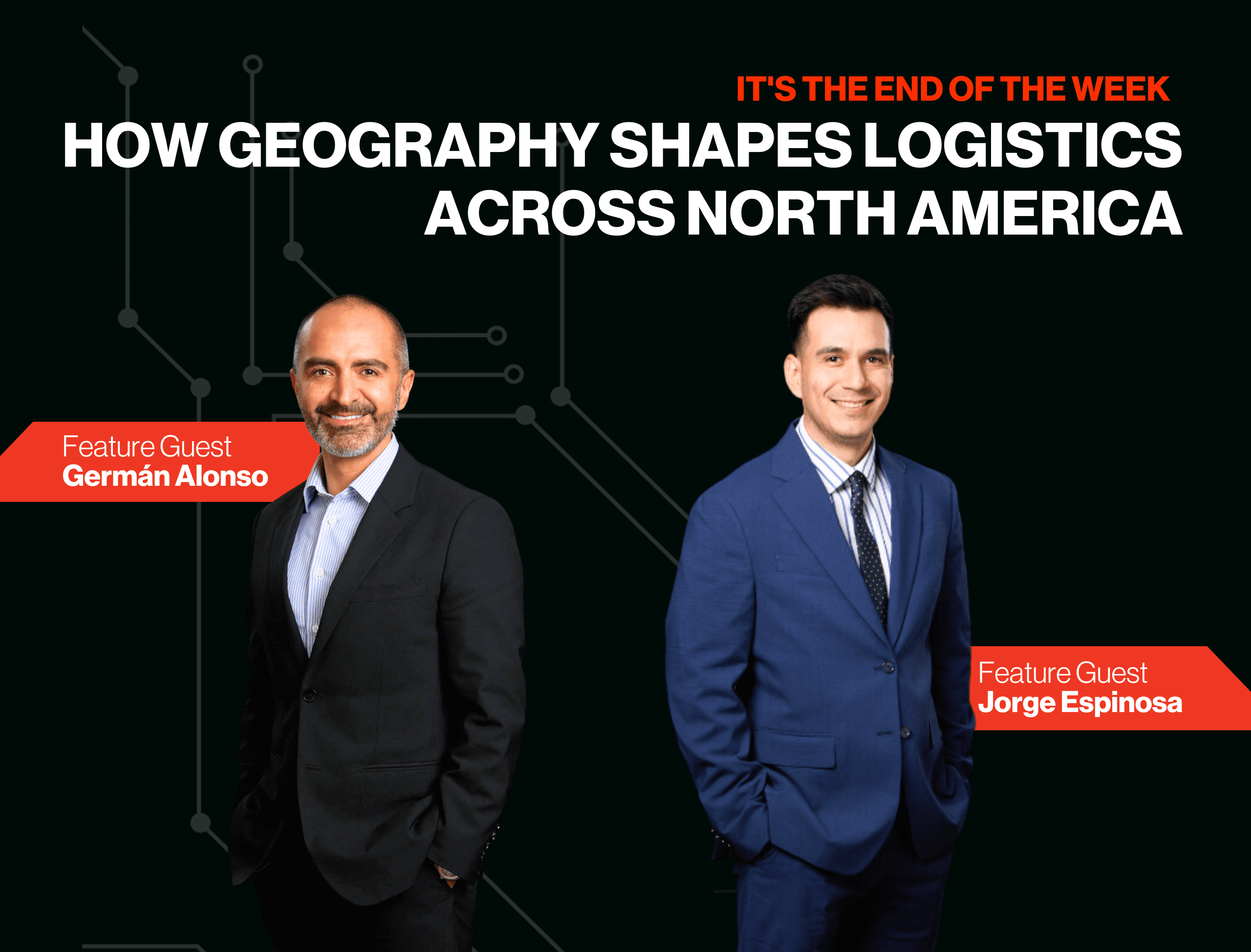
How Geography Shapes Logistics Across North America – It’s the End of the Week!
On this week’s episode of It’s the End of the Week, our hosts knead through the operational strategies of Domino’s and cover some key recent stories regarding the company’s last-mile delivery and automated manufacturing.
Blog
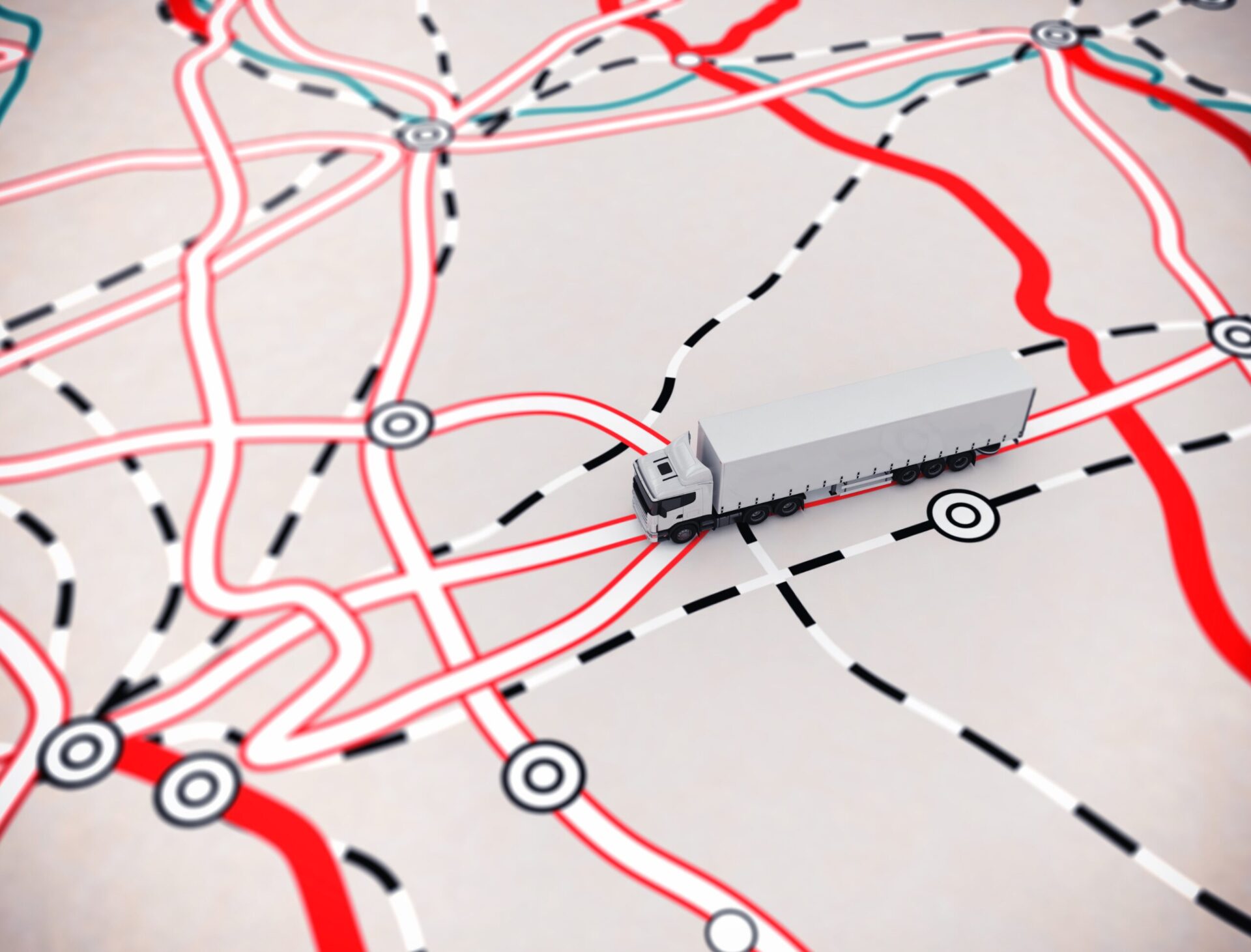
A Guide to Choosing the Right Distribution Strategy
Click for detailed insight into the questions to ask and problems to solve when deciding on the best distribution strategy.